What is the difference between OCR and LLM-based extraction?
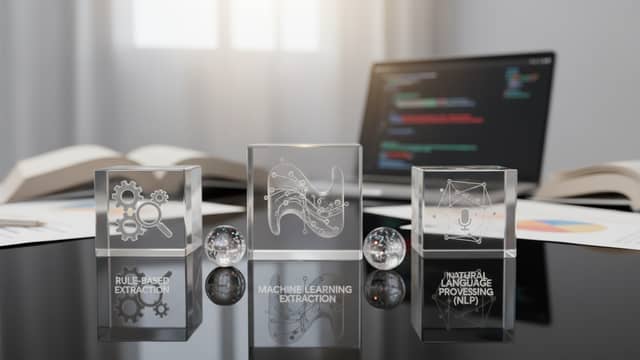
OCR converts images of text into machine-readable characters, working at the level of glyphs and layout. LLM-based extraction interprets the resulting text and can identify fields, relationships and meaning across varied document formats. Many systems combine both, using OCR for capture and a language model for structuring the output.
Why does extraction accuracy vary so much between documents?
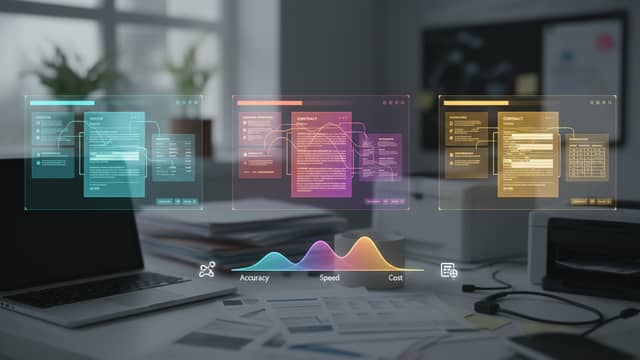
Accuracy depends on scan quality, layout complexity, handwriting and how consistent the document templates are. A tool that performs well on clean, uniform invoices can degrade sharply on handwritten forms or long contracts. Reported accuracy figures often average across easy cases, which is why testing on your own documents matters.
How do you measure the return on a document extraction project?
The usual comparison is manual handling time and error correction cost against software, integration and review effort. Hidden costs include exception handling, retraining and the work of validating outputs that are wrong but plausible. Projects that pay off tend to target high-volume, repetitive document types first.