Topics

AI document summarization

156 articles · Page 1

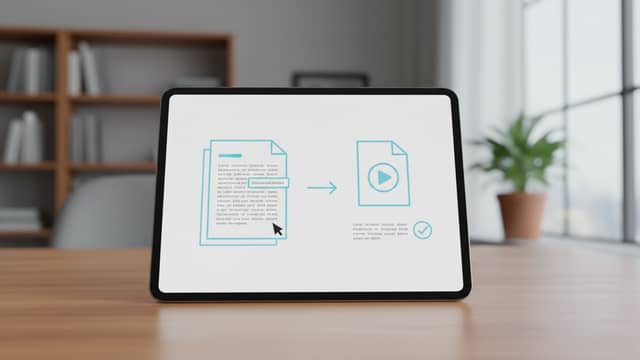
This section collects everything the site publishes on summarizing documents with AI. Articles cover how automated text summarization works, the difference between extractive and abstractive approaches, and what large language models add to or take away from a summary. You will find comparisons of AI document summarizers and summary tools, guidance on summarizing PDFs and lengthy texts online, and discussion of summarization accuracy and where summaries mislead. Use cases run from academic literature and research papers to market research and document analysis, alongside notes on academic workflow automation. Pieces also examine the risks of relying on a summary in place of reading the source.

Frequently Asked Questions

What is the difference between extractive and abstractive summarization?

Extractive summarization selects sentences or passages directly from the source document and reassembles them. Abstractive summarization generates new wording that restates the content, which reads more fluently but introduces the possibility of statements the source never made.

How accurate are AI document summaries?

Accuracy varies by tool, document type and length, and summaries can omit qualifiers or misstate findings from the original text. Articles in this section treat verification against the source document as part of the workflow rather than an optional step.

Can AI summarizers be used for academic papers?

Academic literature summarizers are widely used to triage large volumes of reading and speed up parts of a research workflow. The articles here discuss where that helps and where a summary becomes a substitute for reading methods and results closely.